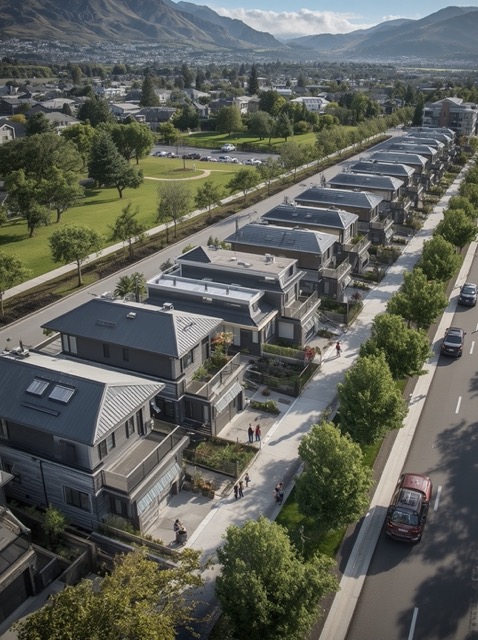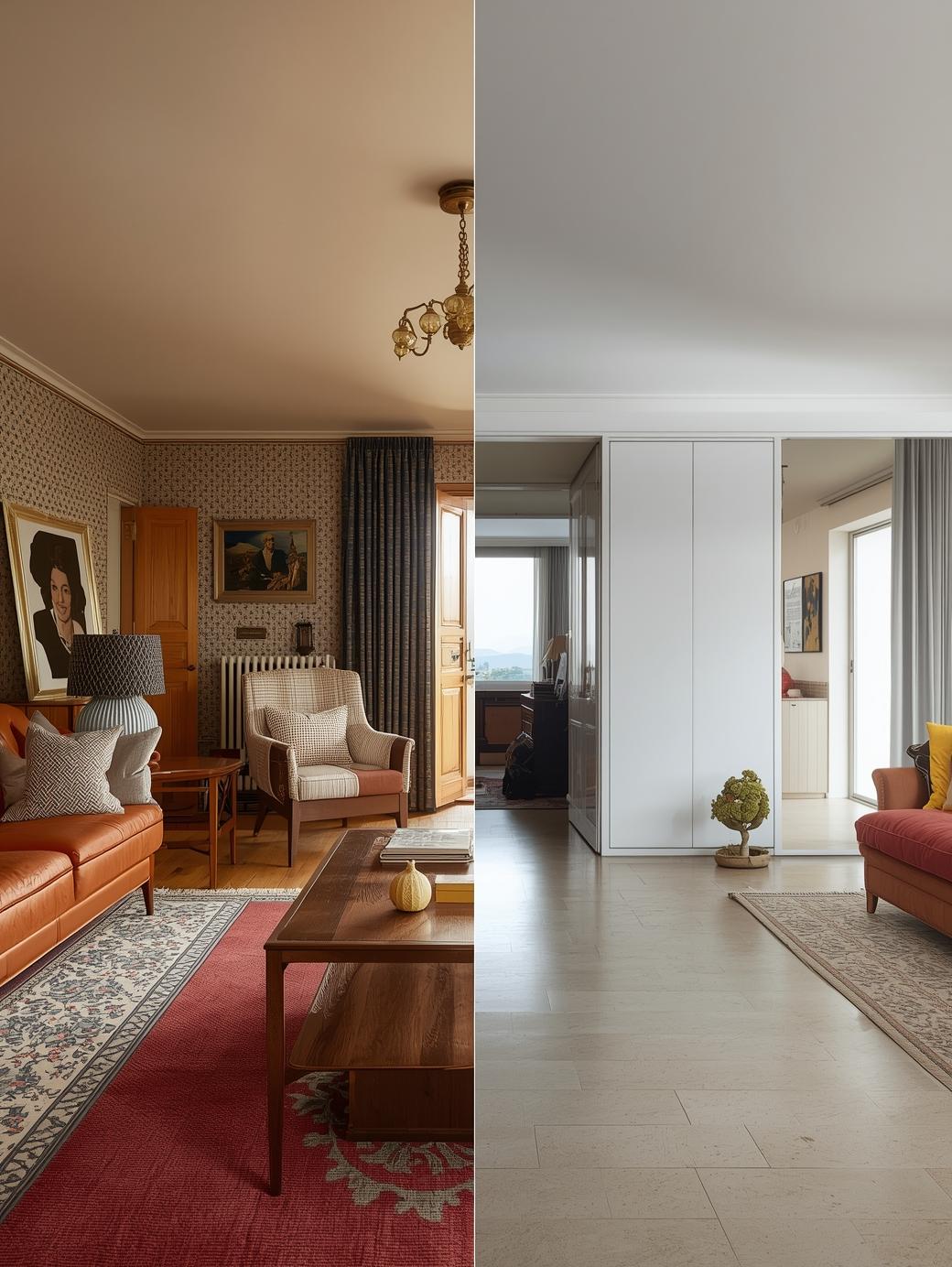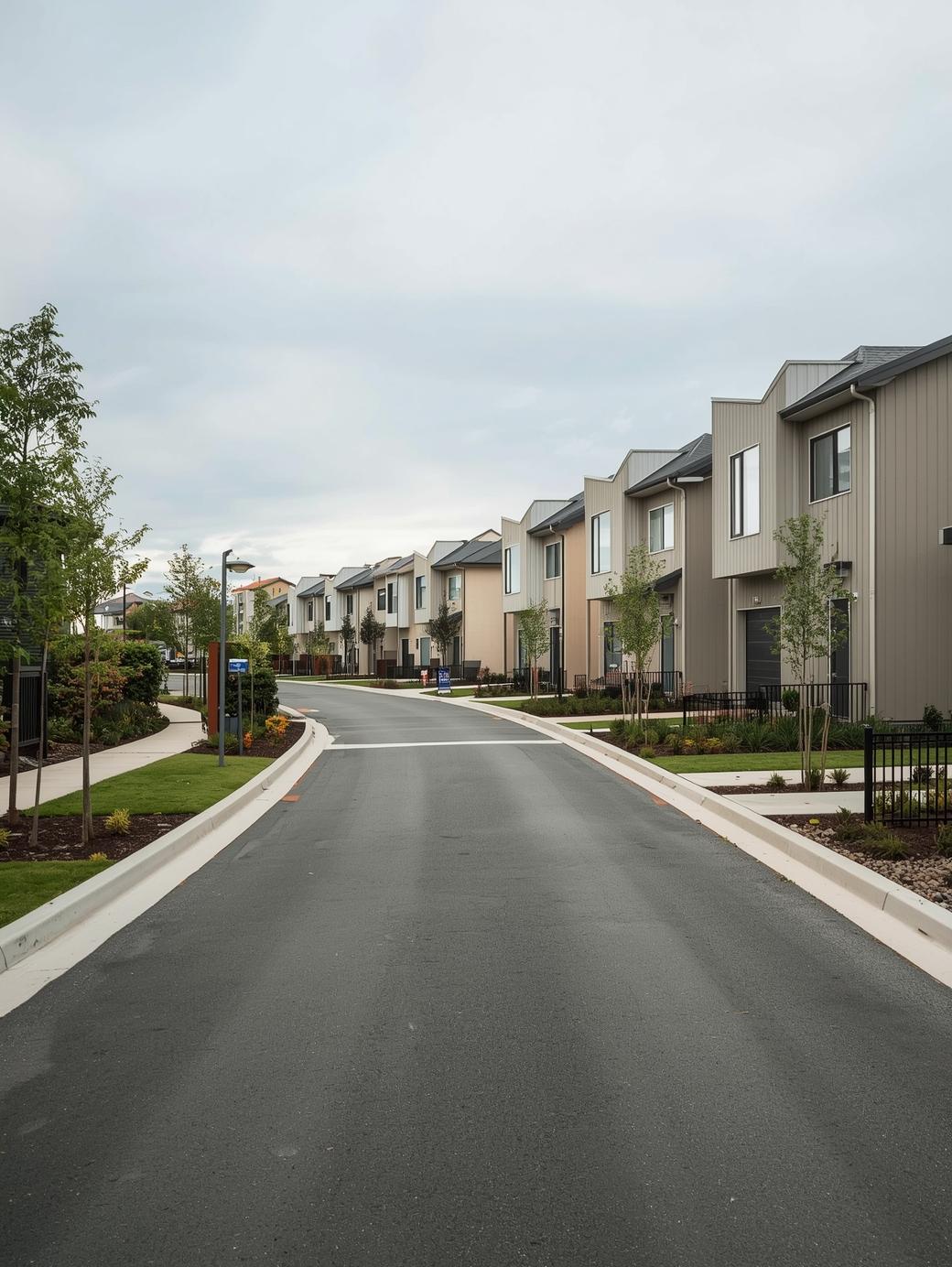
Not all new builds age the same.
Two homes may be completed in the same year, look similar at first glance, and sit in comparable locations—yet a few years later, one holds its value while the other struggles to attract serious buyers.
The difference is rarely luck. It usually comes down to a series of decisions made long before construction finished.
Below are the key factors that consistently separate new builds that hold value from those that don’t.
1. Design That Ages Well, Not Just Looks New
Trendy designs can help sell a property quickly—but they don’t always age well.
Overly bold façades, niche layouts, or short-lived interior styles may stand out today but can limit appeal later. Homes that retain value tend to prioritise:
Clean, balanced proportions
Practical layouts with flexible spaces
Natural light and sensible room sizing
Timeless design doesn’t mean boring—it means avoiding features that lock the home into a specific moment in time.
2. Build Quality Shows Over Time
In the early years, most new builds look fine. The real test comes later.
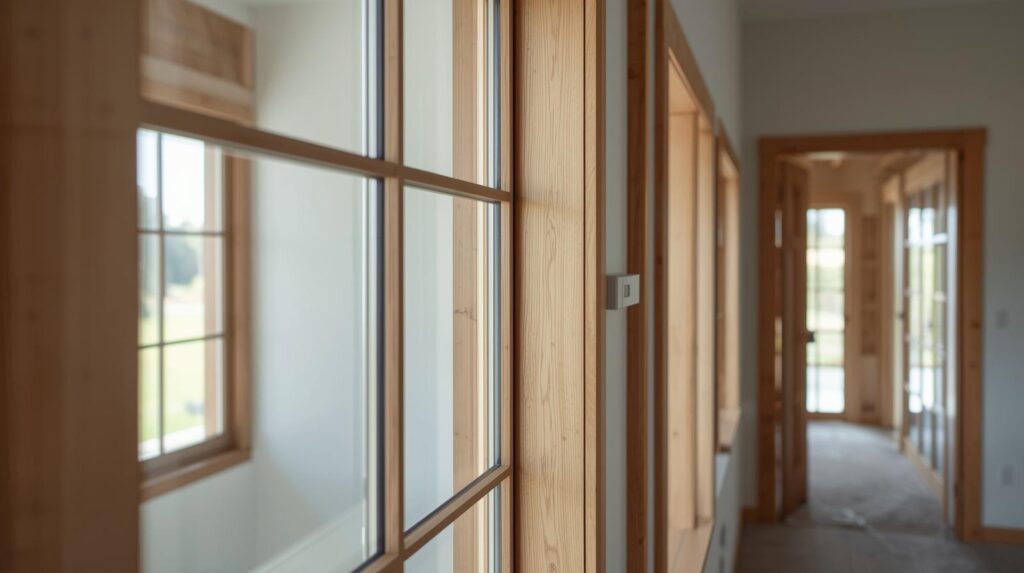
Properties that hold value tend to show fewer issues such as cracking, moisture concerns, or premature wear. This often traces back to:
Material selection suited to local climate
Proper detailing around junctions, flashing, and drainage
Consistent workmanship, not rushed execution
In New Zealand, buyers and valuers are increasingly cautious due to past issues linked to certain cladding systems and construction shortcuts. Homes perceived as “riskier” can face sharper value drops—even if they’re relatively new.
3. Location Is More Than Distance to the CBD
Location still matters—but not just in the obvious way.
Beyond proximity to the CBD, long-term value is often influenced by everyday liveability. This includes access to transport, neighbourhood stability, and increasingly, school zones.
Even buyers without children tend to factor school catchments into future resale potential. Homes located within well-regarded school zones often see:
Broader buyer demand
More consistent resale interest
Stronger value resilience during slower markets
Location is ultimately about confidence—how secure buyers feel about the area five or ten years down the track.
4. Layouts That Match How People Actually Live
Floor plans matter more than many realise.
Homes that perform better long term usually:
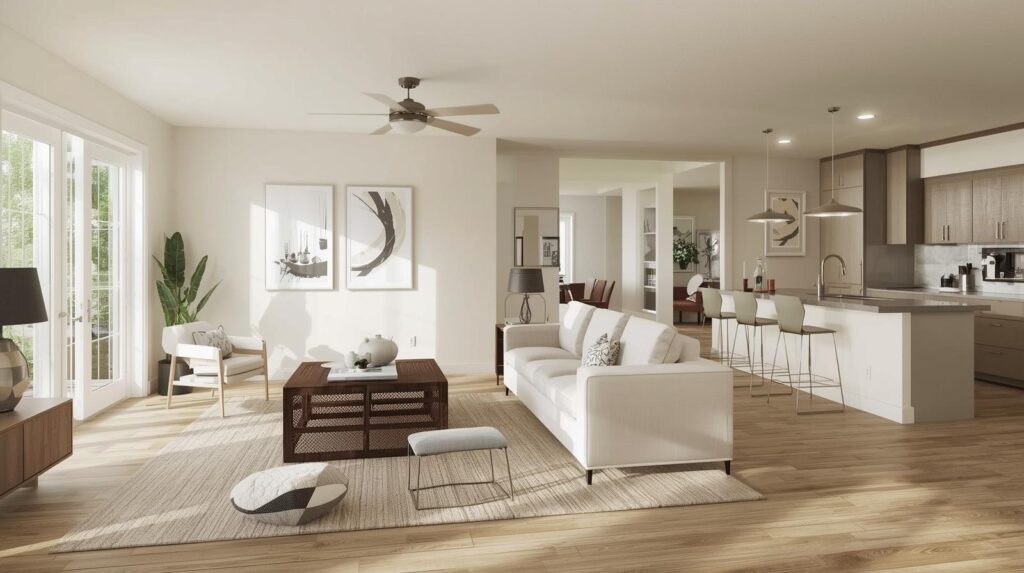
Separate private and shared spaces clearly
Avoid wasted circulation areas
Offer storage that suits real households
Layouts designed purely to hit a bedroom count or maximise yield often feel tight or awkward. When resale time comes, buyers notice.
5. Energy Efficiency, Solar, and Ongoing Costs
Operating costs affect value—even if indirectly.
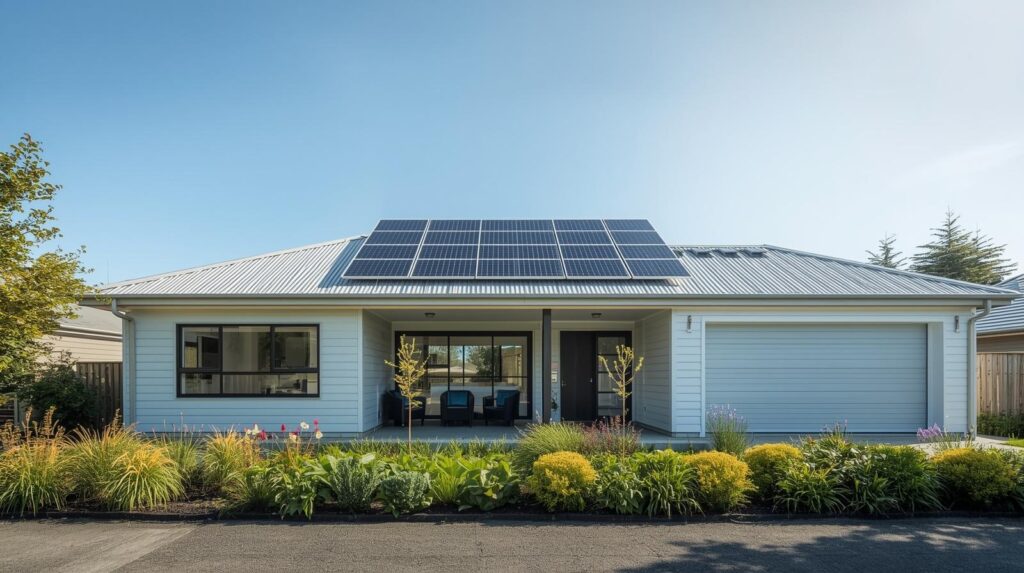
As households become more cost-aware, homes that are cheaper to run often stand out in resale comparisons. Good insulation, glazing, and orientation all contribute—but solar panels are increasingly part of that conversation.
While solar may not always translate dollar-for-dollar into resale price, it can:
Improve buyer perception of long-term savings
Reduce running costs, especially for families
Signal future-focused planning rather than short-term builds
Homes that feel efficient and practical tend to hold appeal even as market conditions shift.
Holding Value Is About Fewer Shortcuts, Not More Features
New builds that retain value are rarely the ones with the longest feature lists. They’re the ones where early decisions were made carefully, with long-term performance in mind. Design restraint, solid construction, and realistic assumptions tend to outperform surface-level upgrades every time.
If you’re planning a new build or assessing a property from a value perspective, having the right conversations early makes a real difference.
You’re welcome to get in touch with us to discuss build quality, design decisions, or how long-term value is shaped before construction even begins.