Rebuilding isn’t always the most practical or cost-effective option. In many cases, a well-considered renovation can solve functional issues, improve liveability, and protect value—without the time, cost, and planning complexity of a full rebuild.
The key is understanding what can realistically be achieved through renovation, and where the limits are.
When the Structure Is Still Sound
If the core structure of a house is in good condition—foundations, framing, roofing—renovation often makes more sense than starting again.
Many older homes have solid bones but outdated layouts or finishes. Addressing those issues directly can deliver meaningful improvement without resetting the entire build process, including consents, timeframes, and financing structures.
A structural assessment early on usually clarifies whether renovation is a sensible path or whether rebuilding is unavoidable.

Can a Two-Bedroom Become Three?
This is one of the most common questions landowners ask—and in many cases, the answer is yes, but with conditions.
A two-bedroom home can sometimes be reconfigured into three bedrooms by:
Adjusting room sizes
Reworking circulation areas
Reclaiming underused space
However, it’s not just about fitting another room in. Council requirements, minimum room sizes, window placement, ventilation, and fire separation all play a role. Poorly planned conversions can hurt resale appeal even if they technically meet code.
When done well, adding a bedroom can significantly change how the home functions and who it appeals to. When done poorly, it can feel cramped and compromise the overall layout.
Opening Up Living Areas Without Rebuilding
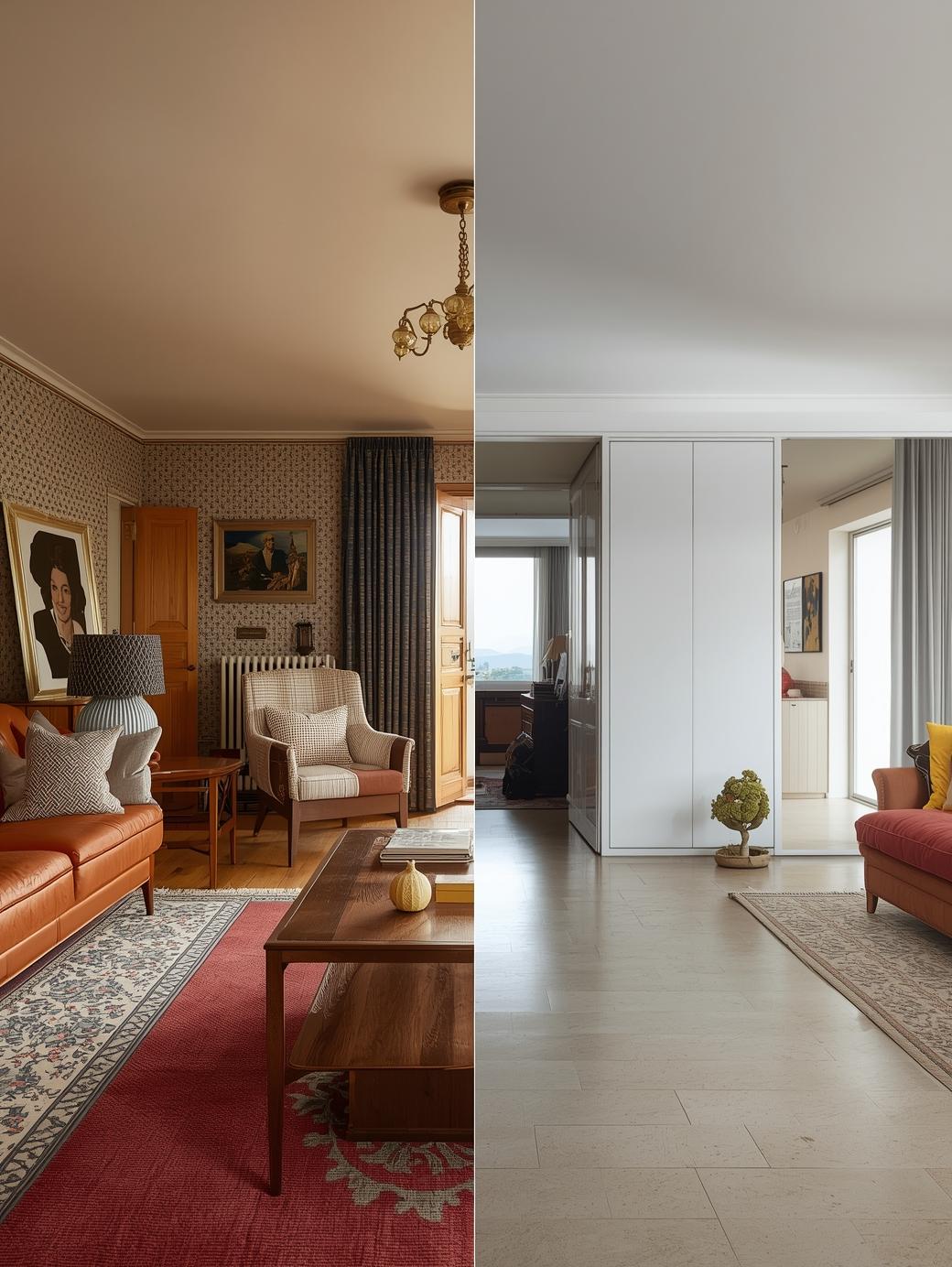
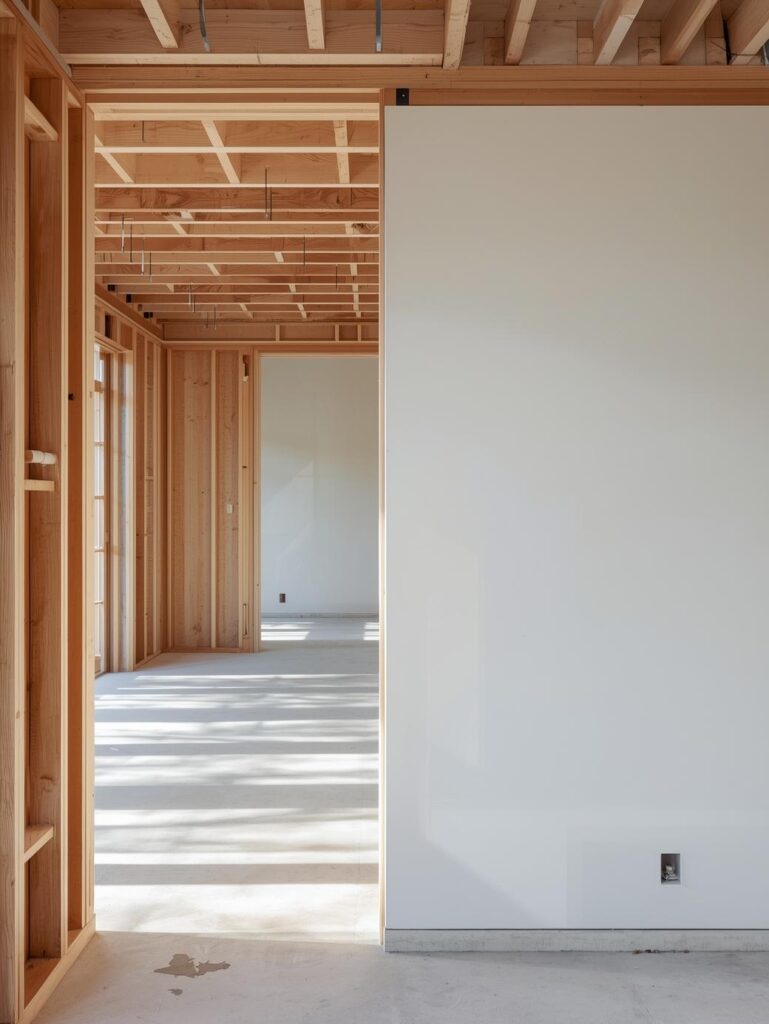
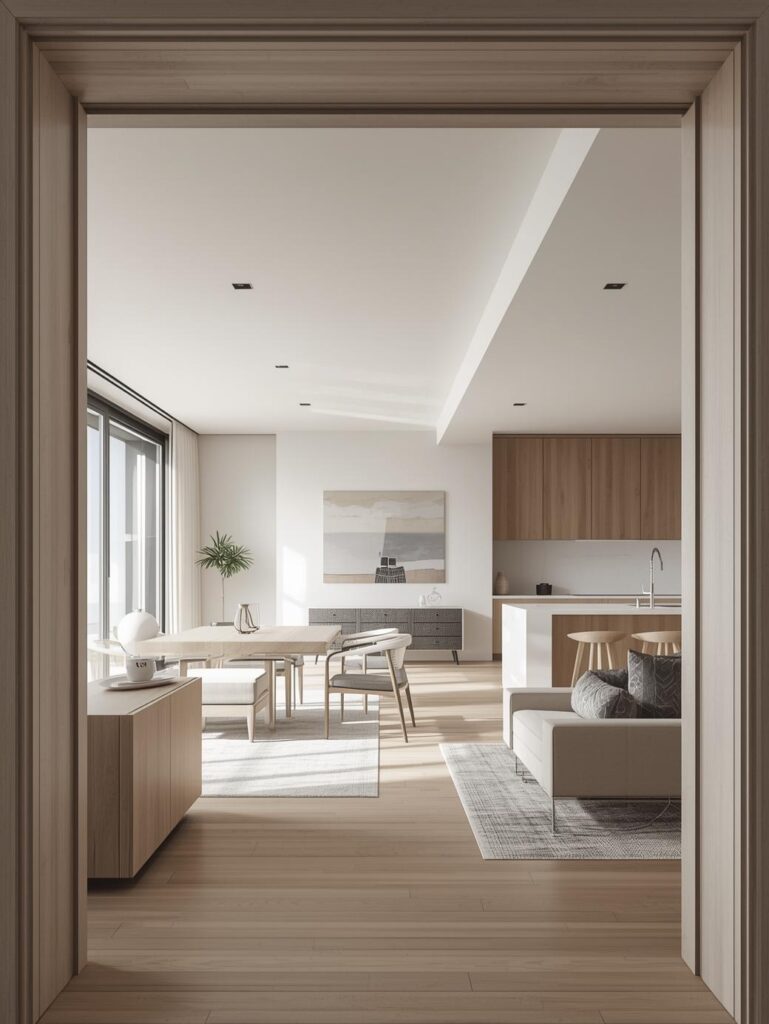
Another frequent goal is making the living area feel larger—often by removing internal walls or changing how spaces connect.
In many homes, opening up the kitchen, dining, and living zones can dramatically improve:
Natural light
Flow and usability
Day-to-day comfort
Some walls are structural, some are not. Knowing the difference matters. Even when structural walls are involved, partial removals or engineered solutions can often achieve the desired outcome without full demolition.
This type of renovation can fundamentally change how a house feels, even if the footprint stays exactly the same.
Kitchens and Bathrooms: High Impact, Controlled Scope
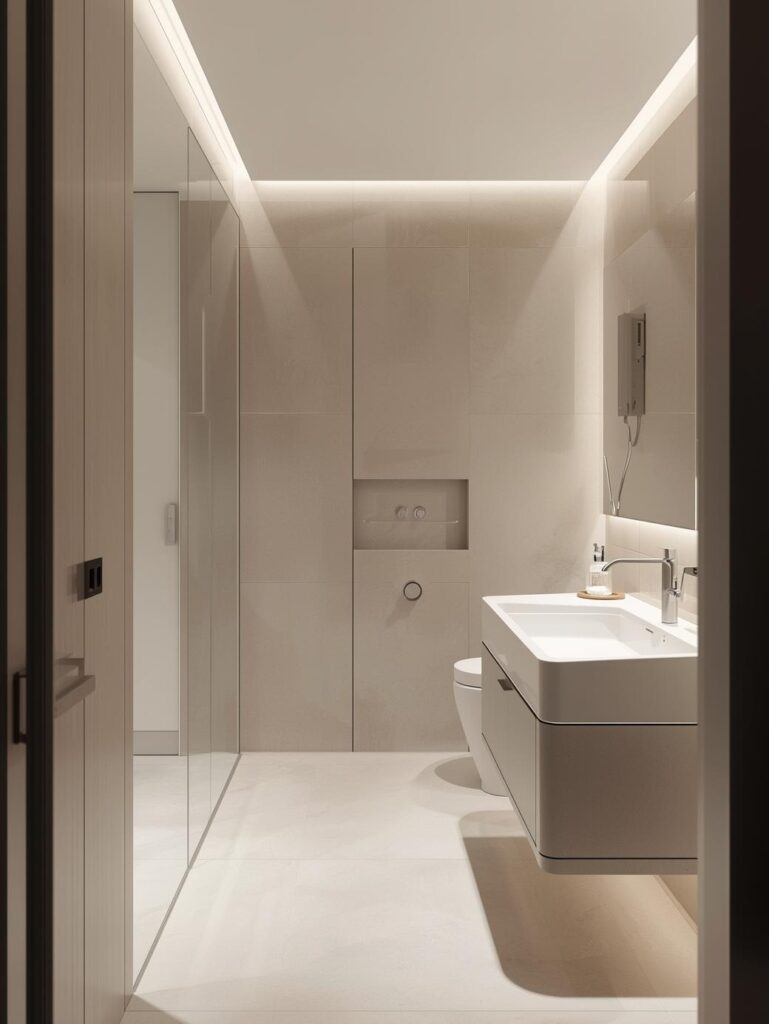
Updated kitchens and bathrooms are often where renovation delivers the clearest return for the least disruption.
These spaces matter because they:
Date a home faster than most other areas
Influence buyer and tenant decisions disproportionately
Can often be upgraded without touching the rest of the structure
A well-planned kitchen or bathroom renovation can modernise a home visually and functionally, without the cost and uncertainty of rebuilding. Layout tweaks, better storage, improved lighting, and modern finishes often achieve most of what owners want—without expanding the build scope.
This is especially relevant when the existing layout works, but the finishes no longer do.
Renovation Doesn’t Always Mean Structural Change
Renovation isn’t limited to walls, beams, and floor plans.
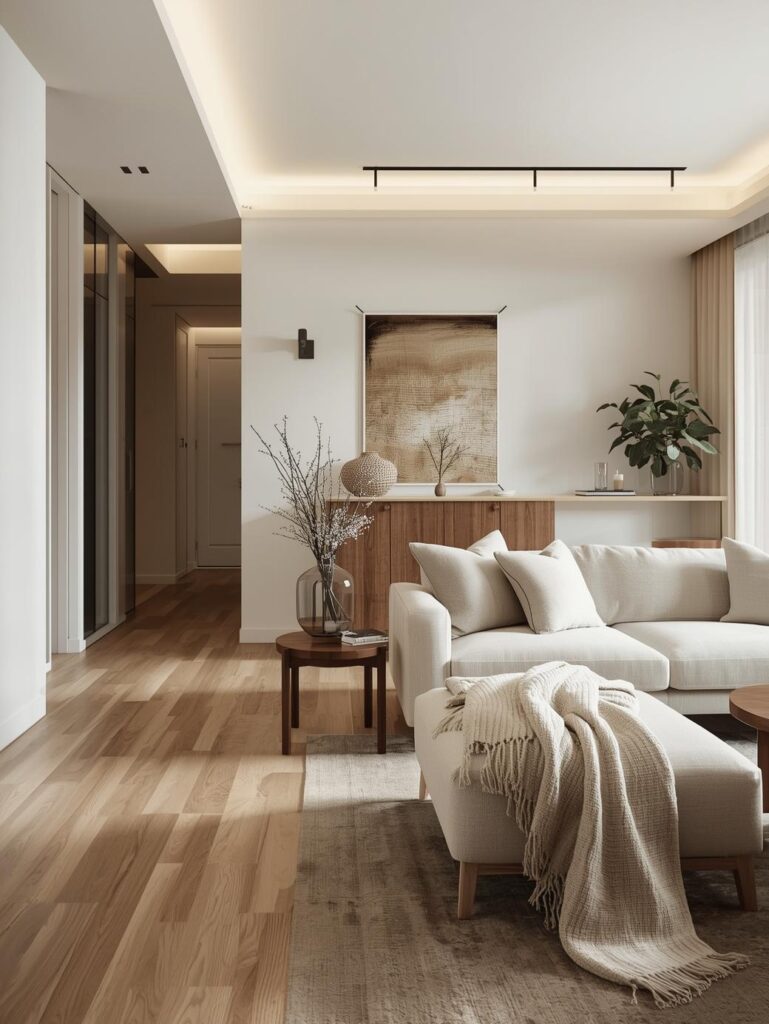
In many cases, soft renovation can deliver meaningful improvement with minimal disruption. This includes:
New flooring
Updated lighting
Window treatments
Built-in storage
Furniture layout and material choices
These changes can significantly alter how a space feels and functions, especially in open-plan areas. For some owners, this approach solves the problem they’re actually trying to fix—without entering a full construction phase at all.
When Renovation Is the Smarter Choice
Renovation often makes more sense than rebuilding when:
The structure is sound
The issues are layout or finish-related
Time, budget, or site constraints limit rebuild options
Incremental improvement meets the actual need
Rebuilding has its place—but it’s not always the default solution. Clear assessment, realistic expectations, and a defined scope are what separate a successful renovation from an expensive compromise.
Renovation and rebuilding aren’t one-size-fits-all decisions. Often, a short conversation early on can clarify which path actually makes sense for your home.
If you’re considering changes and want a practical view on your options, you’re welcome to reach out.