Rental yield is often the first number investors look at when assessing a property. It’s easy to compare, easy to calculate, and easy to talk about. But in practice, rental yield alone rarely tells the full story.
In the New Zealand market—especially with new builds and medium-density housing—some properties perform well on paper but struggle over time, while others quietly hold their value and remain easy to rent or resell.
Here are several factors investors should consider beyond rental yield when assessing a property.
1. Build Quality and Specification Matter More Than You Think
Two properties can look similar online and show similar yields, yet perform very differently over time.
Details that often make a difference include:
Layout efficiency (storage, circulation, natural light)
Material durability
Acoustic separation in attached homes
Weather protection and drainage detailing
Poor build quality tends to show up later—through higher maintenance, tenant complaints, or faster depreciation. These costs are rarely reflected in the initial yield calculation.
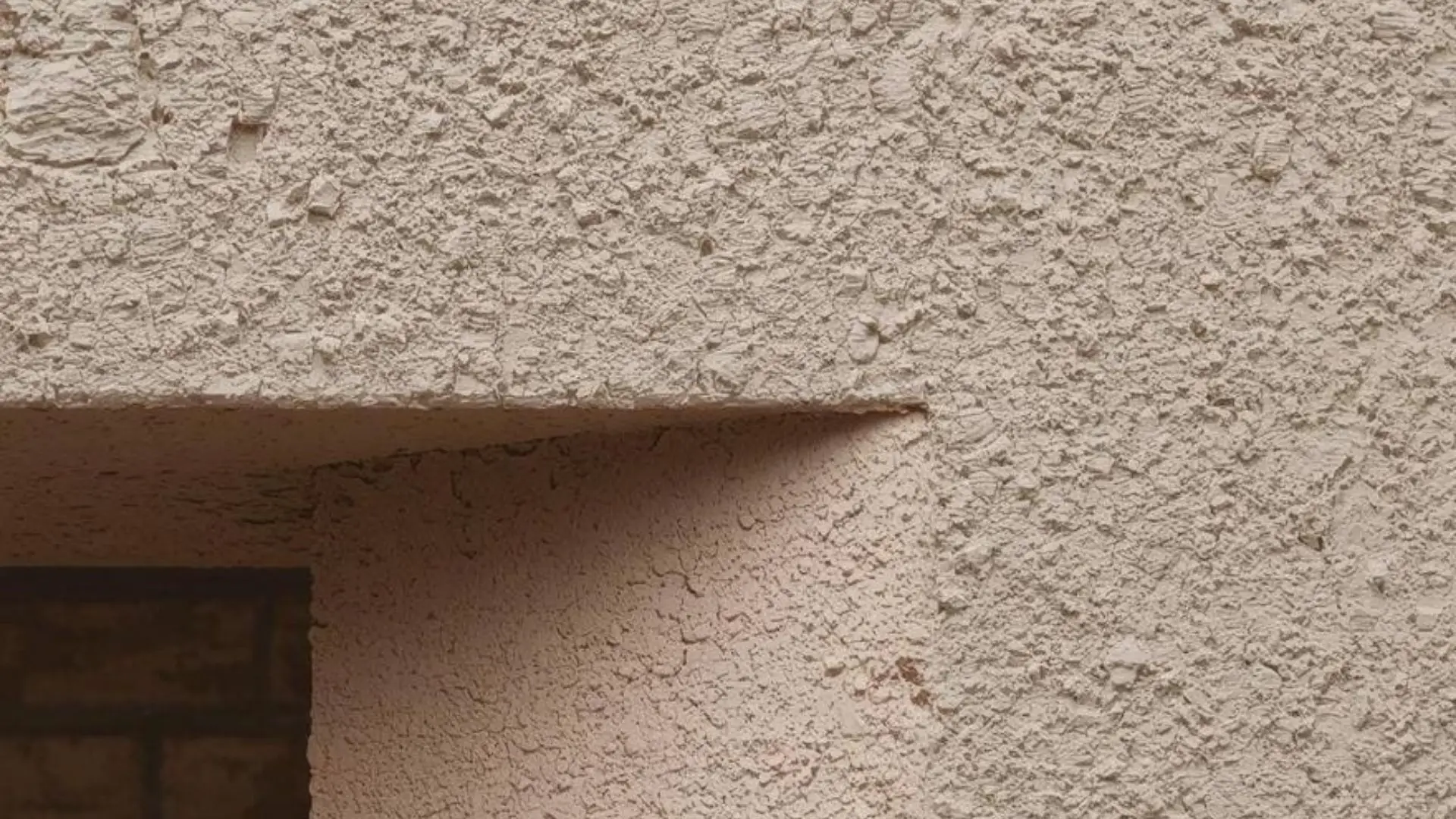
In New Zealand, certain building materials and cladding systems have been shown to influence long-term value. For example, homes clad in monolithic plaster systems between the 1990s and mid-2000s were associated with widespread weathertightness issues, and even after remediation some buyers still apply a price discount due to perceived risk. Many of these issues stemmed from trapped moisture behind claddings, leading to rot and decay in timber framing if not properly detailed or maintained.
2. Location Isn’t Just About Distance to the CBD
“Close to the city” is a common selling point, but investors should look deeper.
Consider:
Access to daily amenities (supermarkets, schools, transport)
Street appeal and surrounding development
Whether the area is improving, stable, or declining
In many cases, a slightly lower-yield property in a well-established or improving neighbourhood can outperform a higher-yield option in the long run.
3. Resale Liquidity Is Often Overlooked
Not every investment is held forever. Even long-term investors eventually exit.
Ask yourself:
Who would buy this property in 5–10 years?
Is it appealing only to investors, or also to owner-occupiers?
Does the design age well, or will it feel dated quickly?
Properties that appeal to both investors and first-home buyers often maintain stronger resale demand, which helps protect value regardless of market cycles.
4. Ongoing Costs Can Change the Equation
Gross yield doesn’t account for:
Maintenance
Body corporate fees
Insurance differences
Vacancy risk
Compliance or regulatory changes
A slightly lower yield with predictable, lower ongoing costs can outperform a higher-yield property once real expenses are factored in.
5. Design Decisions Affect Long-Term Performance
Early design choices—many of which investors don’t always see—can influence:
Energy efficiency
Comfort
Noise levels
Ease of maintenance
These factors impact tenant satisfaction and turnover, which directly affects net returns over time.
Yield Is a Starting Point, Not the Answer
Rental yield is useful—but only as an entry point.
Strong-performing investment properties tend to combine:
Sensible design
Solid construction
Practical layouts
Locations with lasting demand
Investors who look beyond the headline numbers are often better positioned to manage risk and protect long-term value.
If you’re looking at a new build or investment property and want to sanity-check these factors, feel free to reach out. A short conversation early on can often save time and cost later.